
Like a Dog on a Ball: The Mindset Elite Wrestlers Learn to Trust
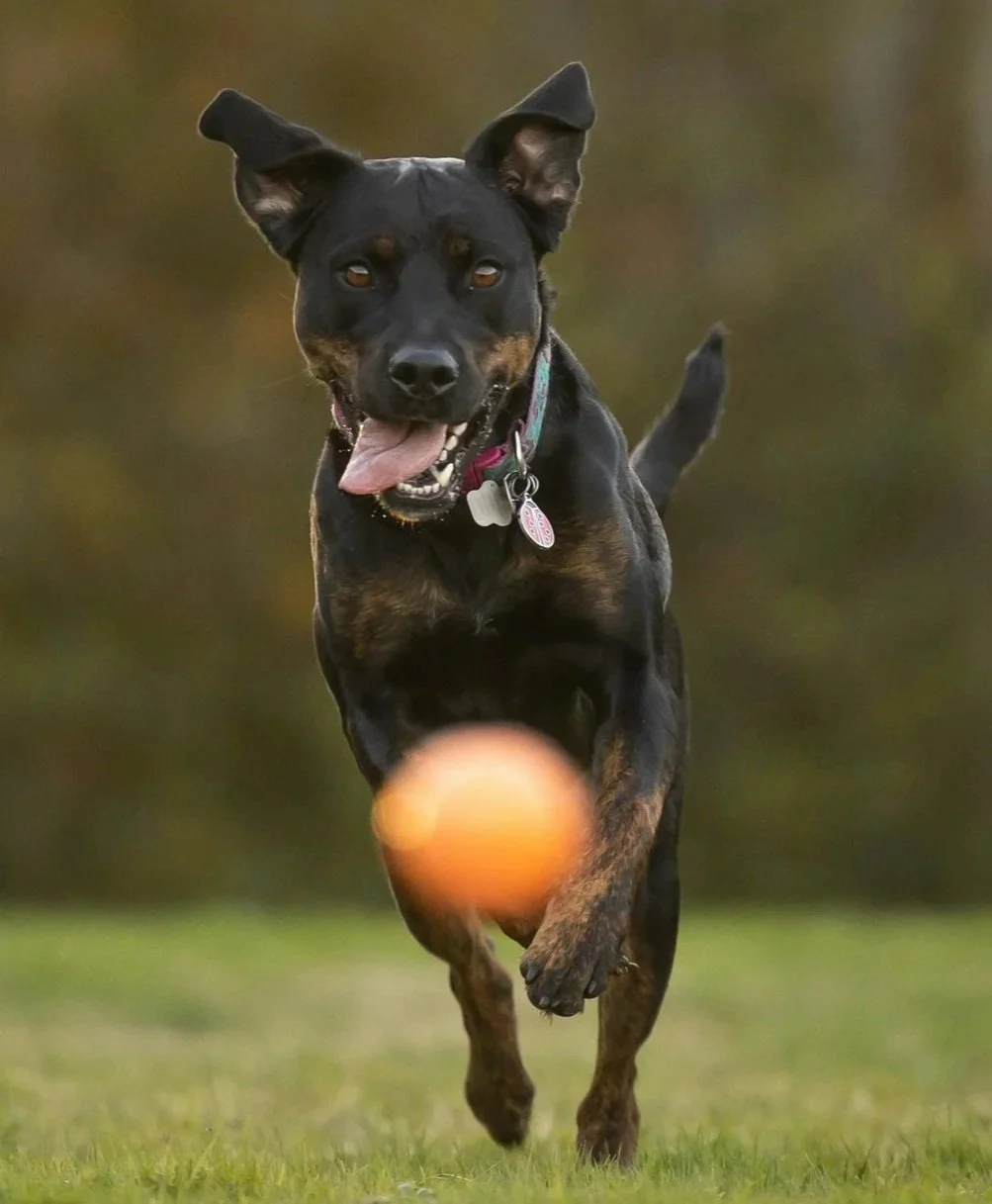
We’ve all heard the saying: “You’ve gotta be a dog on a bone.”
I actually love that phrase. It points to relentlessness and refusal to quit.
But I think there’s an even better image.
A dog chasing a ball.
Not because it’s tougher.
Not because it’s smarter.
But because of how the dog is engaged in the pursuit.
If you’ve ever really watched a dog chase a ball, you’ll see a mindset that mirrors how great wrestlers—and great performers—approach competition.
No self-consciousness. Just pursuit.

Dogs aren’t worried about how they look.
A wiener dog looks ridiculous sprinting full speed across a field.
A tiny dog has no practical reason to chase a ball meant for a retriever.
They don’t care.
They don’t hesitate because they missed the last ball.
They don’t glance at a scoreboard.
They don’t wonder what their parents will say after.
They aren’t monitoring how tired they appear.
They just go.
In wrestling, self-consciousness is one of the fastest ways to tighten up. Attention turns inward instead of outward. Great performers aren’t immune to pressure—but in the moment, they aren’t occupied with themselves. Their focus is on the exchange in front of them.
No judging the bounce
The dog doesn’t label the bounce as good or bad.
Short hop? Keep going.
Weird spin? Adjust.
Ball clips the ground and shoots sideways? Pursue again.
And if the dog misses the ball a few times?
It doesn’t hang its head. It doesn’t lose confidence.
And it doesn’t stop just because the conditions change.
Water. Rain. Mud. Heat. Snow.
Those aren’t obstacles to the dog — they’re just part of the chase.
Great wrestlers do the same when matches get messy.
But many athletes often do the opposite:
“That was a bad call.”
“I shouldn’t be in a close match with this guy.”
“That scramble didn’t go my way.”
“My body doesn’t feel perfect.”
Judgment pulls attention away from the task. Great performers stay engaged regardless of the bounce—of the position, the call, or the moment.
They trust their body to figure it out
A dog doesn’t pre-plan how it’s going to catch the ball.
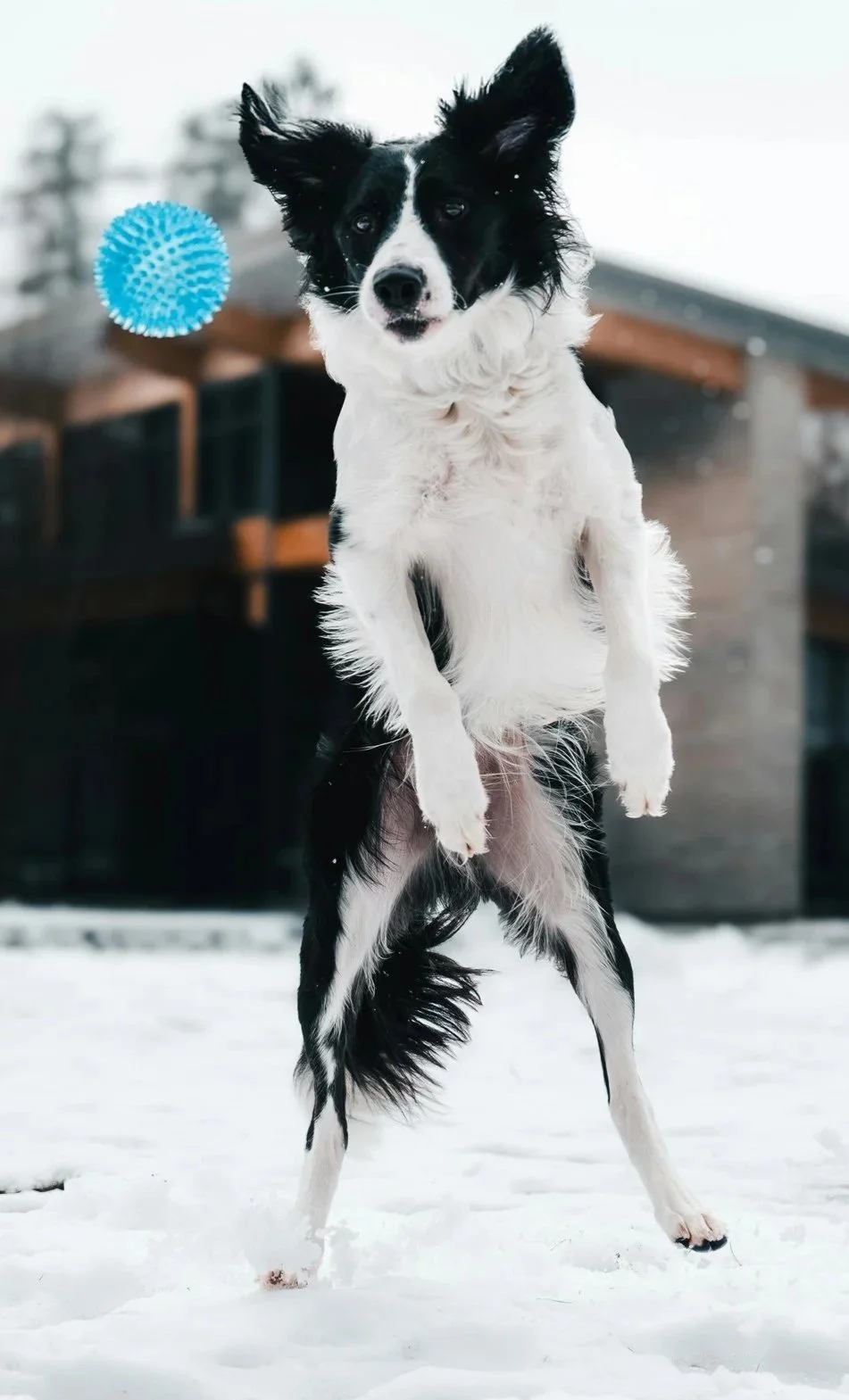
It doesn’t think:
“If it bounces left, I’ll plant my right foot.”
“If it skips, I’ll adjust my stride.”
It trusts its body to read, react, and respond.
This is what you see in great scrambles. Fluid movement. No panic when positions change. No freeze when something unexpected happens.
Trust in instincts is built.
Dog-like reactions are built through deliberate practice and skill development. Repetition. Live wrestling. Conditioning. Position work. The training creates the foundation so that, in competition, the athlete can mostly get out of the way and let their instincts take over.
See. Feel. Act.
Fatigue doesn’t scare them
Dogs don’t pace themselves emotionally.
They don’t worry about how tired they’ll be in five minutes.
They don’t think, “What if I gas out?”
They chase the ball because chasing the ball is the point.
In wrestling, fear of fatigue often causes athletes to hesitate—not because they’re exhausted, but because they’re afraid of becoming exhausted. Great performers accept fatigue as part of the game. Engagement matters more than comfort.
Love of the pursuit
The dog doesn’t chase the ball to win.
It doesn’t chase it to prove anything.
It chases the ball because it loves chasing the ball.
And when it finally collapses in exhaustion?
Give it a minute—and it’s ready to go again.
This mindset shows up in great performers at every level. Not just champions. These are athletes who combine skill, conditioning, and preparation with a deep love of the act of competing itself.
The Attitude That Allows Performance to Flow
When competition starts, great performers tend to embody these qualities:
Lack of self-consciousness – no concern for appearance or judgment
Task focus – attention fully on the exchange
No self-judgment – no internal commentary mid-match
No situation judgment – no labeling moments as “good” or “bad”
No fear of fatigue – willingness to work through discomfort
Trust in instincts and body – confidence that training will show up
Love of the pursuit – engagement for its own sake
Relentless presence – willing to empty the tank and do it again
This isn’t something you flip on at the start of a match.
It’s something you embody—in practice, in competition, and in how you relate to effort, pressure, and pursuit in your life.
Sometimes the most elite mindset isn’t about being tougher or smarter.
Sometimes it’s about learning to compete like a dog on a ball.
Joe Nord - Warrior Steps